NOW NZ’s exclusive distributor of Blind Bolts

Login

Locking Nuts

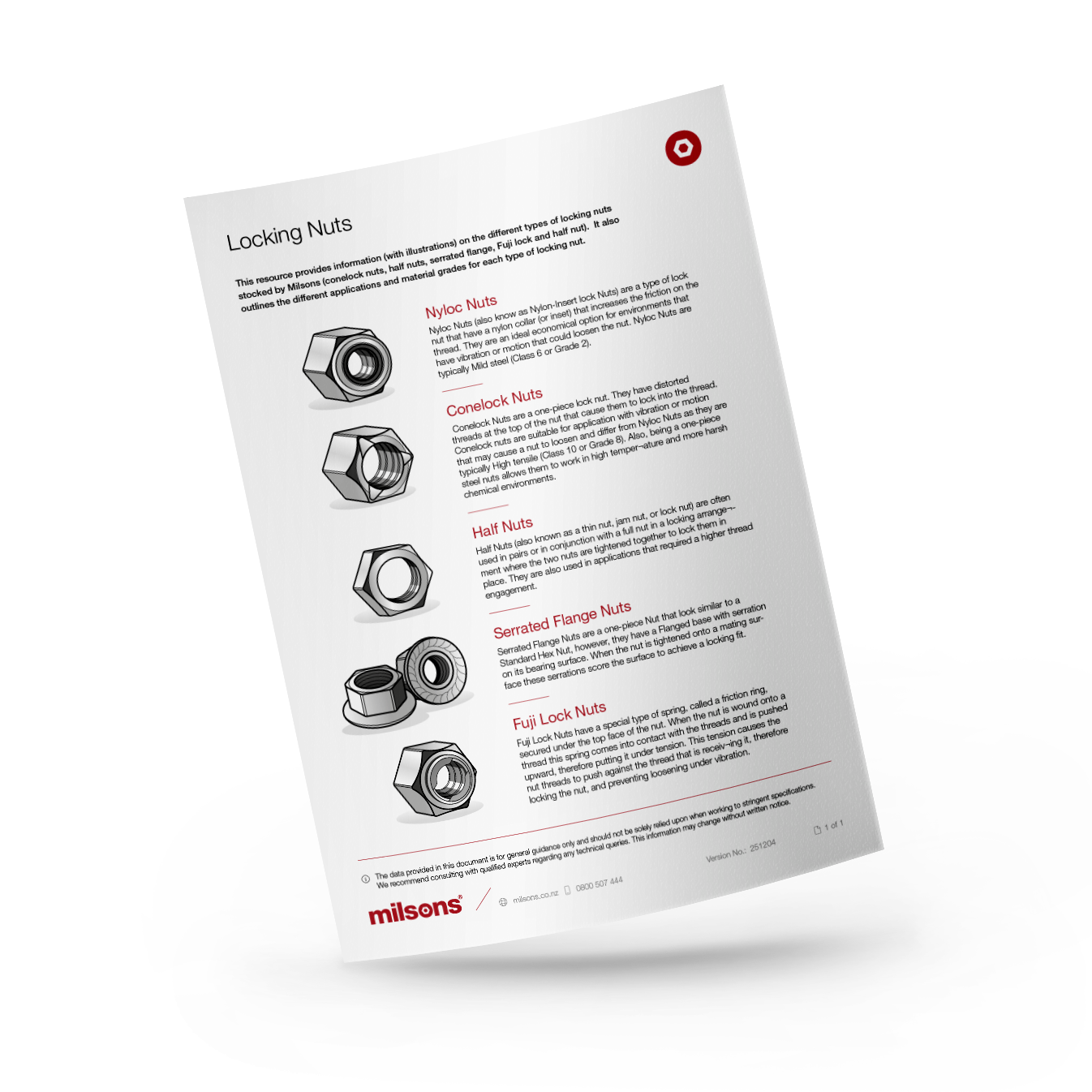
This resource provides information (with illustrations) on the different types of locking nuts stocked by Milsons (conelock nuts, half nuts, serrated flange, Fuji lock and half nut). It also outlines the different applications and material grades for each type of locking nut.

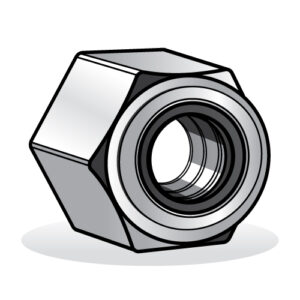
Nyloc Nuts (also know as Nylon-Insert lock Nuts) are a type of lock nut that have a nylon collar (or inset) that increases the friction on the thread. They are an ideal economical option for environments that have vibration or motion that could loosen the nut. Nyloc Nuts are typically Mild steel (Class 6 or Grade 2).

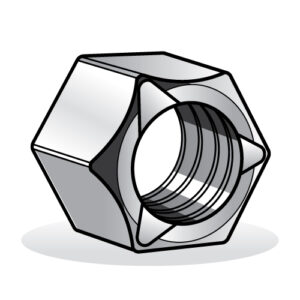
Conelock Nuts are a one-piece lock nut. They have distorted threads at the top of the nut that cause them to lock into the thread. Conelock nuts are suitable for application with vibration or motion that may cause a nut to loosen and differ from Nyloc Nuts as they are typically High tensile (Class 10 or Grade 8). Also, being a one-piece steel nuts allows them to work in high temper¬ature and more harsh chemical environments.

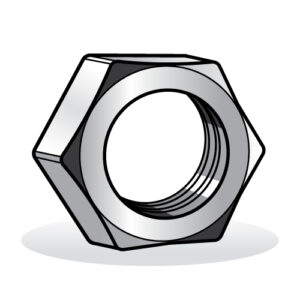
Half Nuts (also known as a thin nut, jam nut, or lock nut) are often used in pairs or in conjunction with a full nut in a locking arrange¬ment where the two nuts are tightened together to lock them in place. They are also used in applications that required a higher thread engagement.

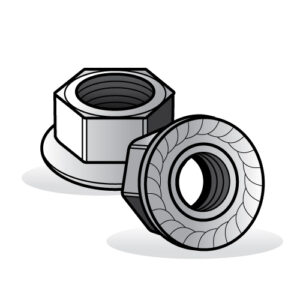
Serrated Flange Nuts are a one-piece Nut that look similar to a Standard Hex Nut, however, they have a Flanged base with serration on its bearing surface. When the nut is tightened onto a mating surface these serrations score the surface to achieve a locking fit.

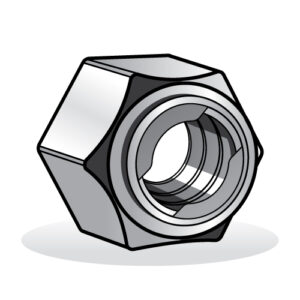
Fuji Lock Nuts have a special type of spring, called a friction ring, secured under the top face of the nut. When the nut is wound onto a thread this spring comes into contact with the threads and is pushed upward, therefore putting it under tension. This tension causes the nut threads to push against the thread that is receiv¬ing it, therefore locking the nut, and preventing loosening under vibration.

info icon resource disclaimer
The data provided in this document is for general guidance only and should not be solely relied upon when working to stringent specifications. We recommend consulting with qualified experts regarding any technical queries. This may change without written notice

Version No: 230309

Download This Resource Here

Contact Us Today To Discuss Your Project